 Amber Voskamp
Game Minor
During my time in the Game Minor at the University of Rotterdam, I had the opportunity to work on two exciting and challenging projects that greatly enhanced my skills and understanding of game development.
FUS
The first project was a six-week endeavor where our team of five students created FUS, a 2D puzzle mobile game. In FUS, you play as a creature named FUS that has the ability to morph into different objects to solve puzzles. As part of the art department, I was responsible for creating the visual assets for the game, including the character designs, environments, and user interface. I also contributed to the game's overall design and marketing efforts. This project was an incredible learning experience as I collaborated with developers and designers to create a cohesive game while ensuring the gameplay mechanics were intuitive and engaging.
Porcelain Tales
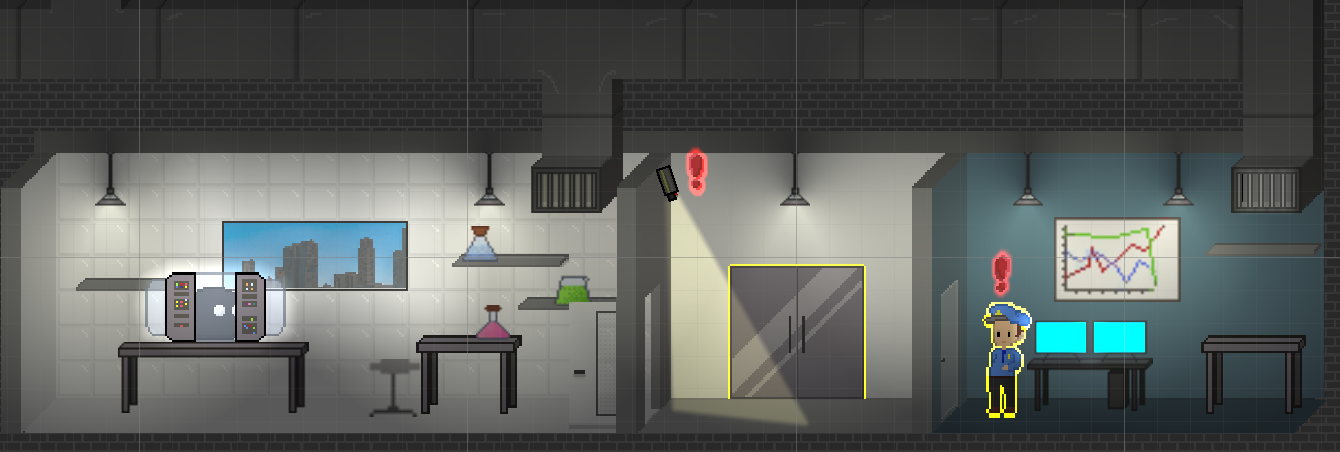
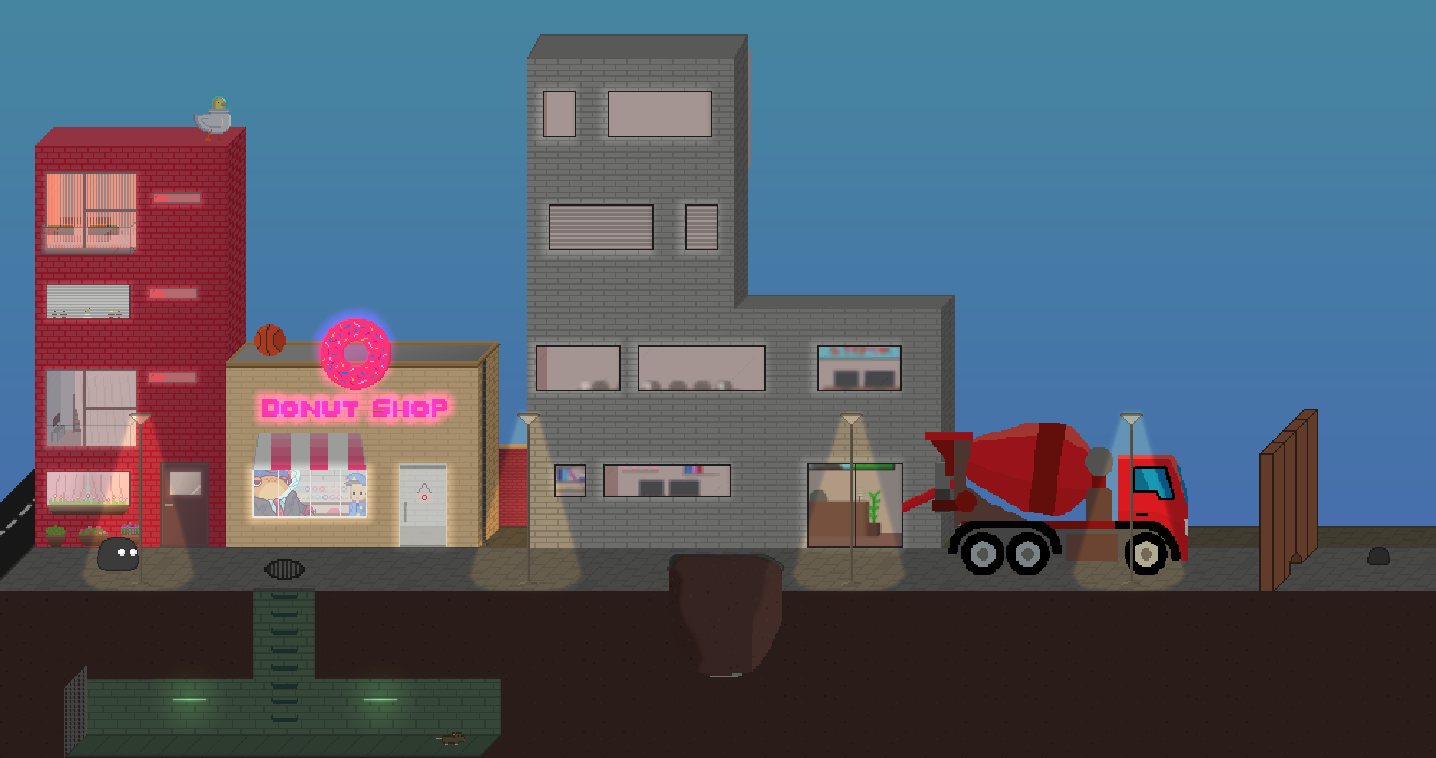
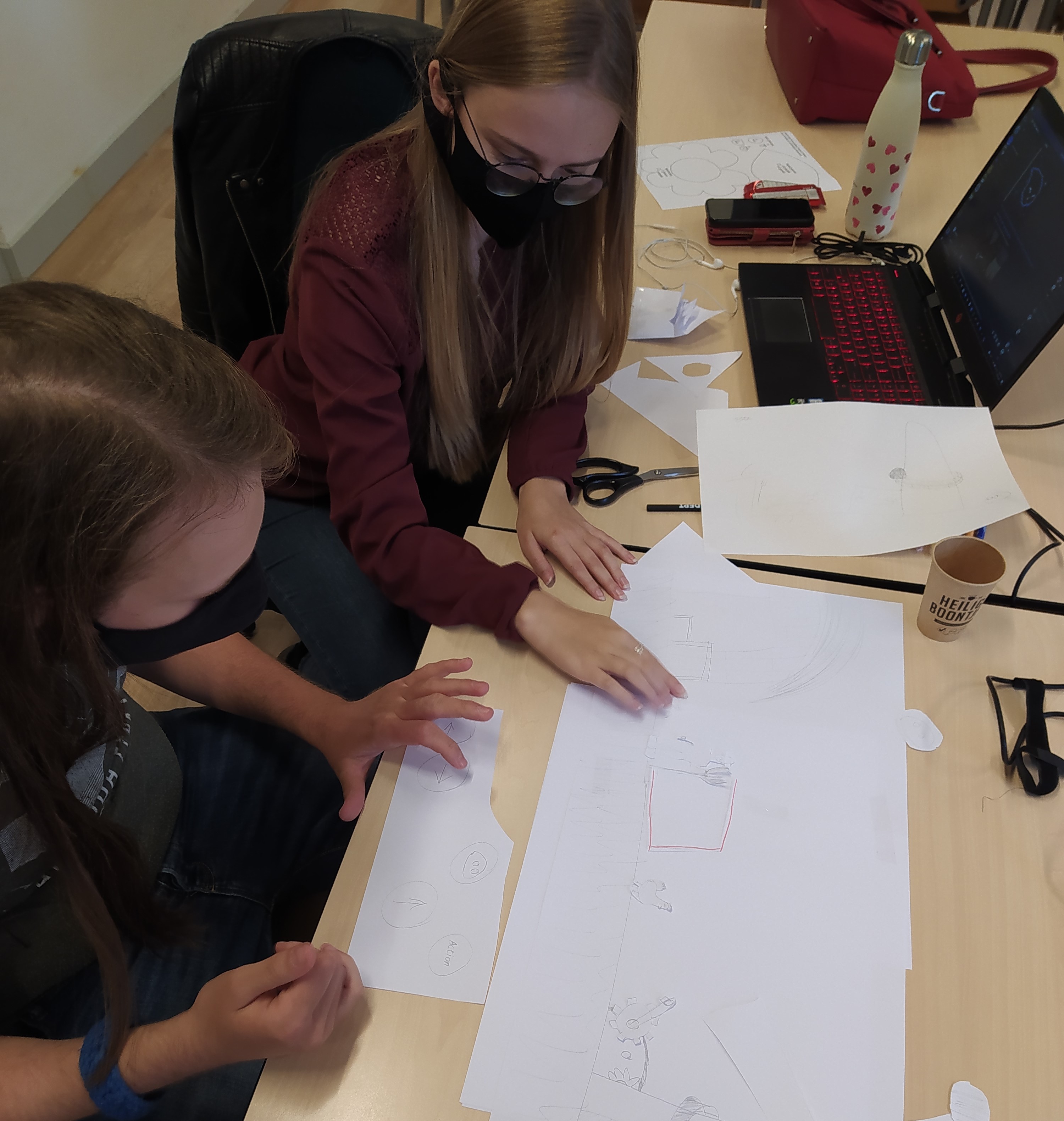
During the second project I worked as a designer in Oohoo studio. With our team of 17 students (1 producer, 4 designers, 6 artists, 6 programmers) we created Porcelain Tales in 14 weeks.
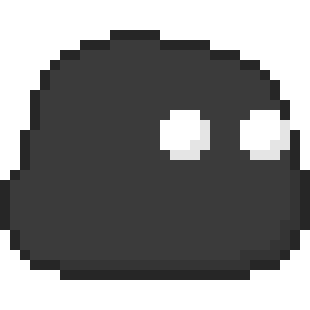
The second project was a more ambitious 14-week venture where we developed Porcelain Tales, a 3D PC game. In Porcelain Tales, you play as a little gnome who must solve puzzles and sneak around in a beautifully crafted world. The game features three different endings, adding replay value and emotional depth to the story. As a designer, I played a key role in shaping the gameplay mechanics and narrative, ensuring that the puzzles were both challenging and rewarding. I also took on a large part of the marketing, which included promoting the game to potential players and stakeholders. Working on Porcelain Tales allowed me to dive deep into 3D game design, level creation, and the complexities of branching narratives, which taught me a great deal about player choice and storytelling in games.
Look how our game has been doing in the SteamDB
At the end of the Game Minor, we had a live-stream presentation to showcase our work. Due to the COVID-19 pandemic, this presentation was held virtually. I was responsible for setting up everything to ensure we could go live, coordinating with all the student studios involved to make sure each team's presentation ran smoothly. This role gave me the chance to combine my organizational and technical skills, ensuring that all the content was ready for the live stream and that each team's segment was properly scheduled. It was a great opportunity to experience how technical aspects like streaming and coordination play a huge part in showcasing a game to an audience.
What I learned
Throughout both projects, I gained a comprehensive understanding of the various disciplines involved in game development, including art, design, programming, and marketing. I also learned the importance of clear communication and effective collaboration between departments. One of the most significant takeaways from the Game Minor was discovering my deep passion for not just designing games but also developing them. Being involved in both the creative and technical aspects of the games gave me a sense of fulfillment and inspired me to pursue a career in game development.
Overall, the Game Minor was a transformative experience that helped me grow as a game developer. It expanded my technical, creative, and communication skills and reinforced my love for creating immersive gaming experiences, from concept to completion.